Get $180 Off Your Water Heater Installation
Build Your New Facility With a Commercial Plumber in Fayetteville, NC
Set your commercial build up with plumbing designed around the plans, codes, and long-term needs of the property. We coordinate piping, rough-ins, fixtures, and final connections with the construction team from start to finish.
Plumbing That Keeps Pace With the Construction Plan
Commercial construction leaves little room for plumbing mistakes. Piping has to work within structural plans, connect correctly with other building systems, meet code requirements, and stay on schedule with the rest of the project. Poor coordination or incorrect installation can create failed inspections, rework, water problems, and delays that affect other trades. When you need a commercial plumber for a new build, the work has to be planned for both the construction process and the facility that will eventually rely on it.
We handle commercial new construction plumbing from underground rough-ins through final trim-out. Our process includes coordinating with general contractors, project managers, and site supervisors while installing water distribution, waste piping, fixtures, and backflow systems according to project requirements. Lines are properly sized, pitched, and pressure-tested as the project moves forward. Phillip Tyner holds a North Carolina P-1 Unlimited Plumbing Contractor License and brings more than 15 years of hands-on trade experience to Plumb Co. If you are planning a commercial build in Fayetteville, NC, or a surrounding community, talk with us about the plumbing scope and project requirements.
What Goes Into a Commercial Plumbing Installation
Commercial plumbing starts long before the fixtures are installed. A new building needs a piping system designed to support its intended use while fitting correctly within structural framing, electrical systems, architectural plans, and other construction requirements. Our commercial plumbing services address that infrastructure from the early stages of the build through final connections.
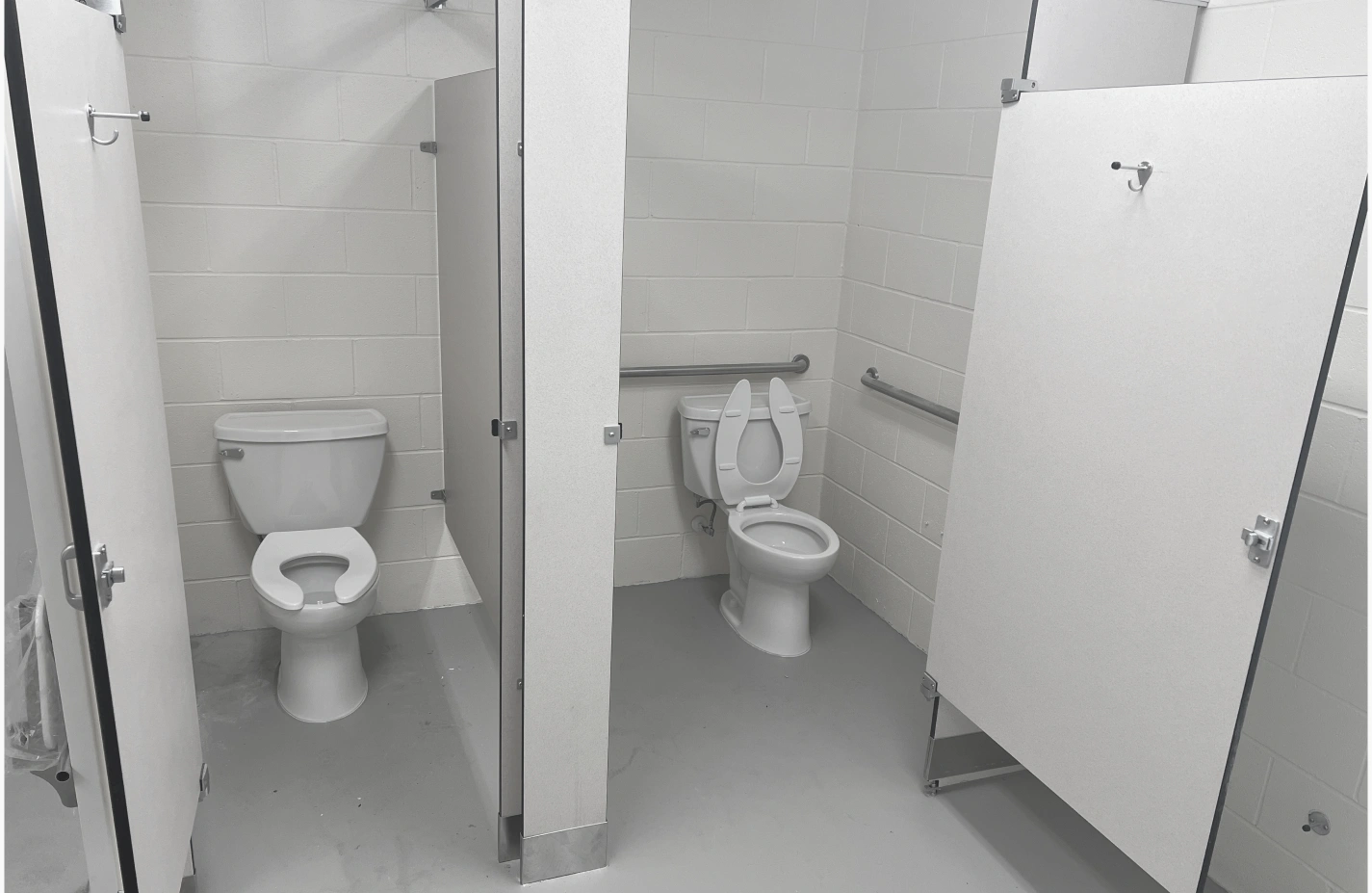
We work closely with the people managing the project so plumbing can progress alongside other trades. As a commercial plumbing contractor, we focus on proper layouts, careful installation, code requirements, and clear coordination throughout the job. That includes underground work, supply and waste piping, backflow prevention, fixture layouts, pressure testing, and final trim-out.
The goal of commercial plumbing installation is not simply to get pipes into a building. The system needs to support daily operations after construction is finished. Correct sizing, pitching, material selection, and testing can help prevent drainage issues, supply problems, leaks, failed inspections, and avoidable rework.
For general contractors, developers, project managers, and site supervisors, our approach to commercial new construction plumbing centers on staying organized and understanding how our work fits into the larger construction schedule. Clean mechanical layouts and organized work areas also make it easier for multiple trades to work through the project without unnecessary complications.
Our commercial new construction work includes:
- Underground Rough-Ins: We install underground plumbing according to the project plans, accounting for required routing, connection points, drainage needs, and the work that will follow above ground.
- Water Distribution Piping: Supply lines are installed and sized around the needs of the facility so the completed building has a properly planned system for distributing water where it is required.
- Waste and Drainage Systems: We install waste piping with careful attention to routing and pitch so drainage can function correctly and the system can meet applicable project and inspection requirements.
- Backflow Prevention: Backflow components are incorporated where required to help protect the water supply and support compliance with the plumbing requirements established for the commercial property.
- Fixture Layouts and Trim-Out: We coordinate plumbing connections and heavy-duty fixture layouts with architectural plans and surrounding finishes, then complete final trim-out as construction reaches the appropriate stage.
From underground piping to finished fixtures, each phase needs to connect with the next. That is why our work emphasizes coordination, organized installation, pressure testing, and communication with the construction team rather than treating plumbing as an isolated part of the build.
Put the Plumbing on a Solid Foundation
The plumbing installed during construction becomes part of the building’s working infrastructure for years to come. Decisions made during rough-in affect drainage, water distribution, fixture performance, inspections, and how easily the building can move toward completion. Getting those details right during construction can reduce unnecessary corrections and help the plumbing system perform as intended once the property opens.
Plumb Co. works on commercial builds with the same practical approach we bring to the rest of our plumbing work. We review what the plans require, coordinate with the construction team, maintain organized work areas, and focus on clean mechanical installation. Our P-1 Unlimited Plumbing Contractor License supports projects across a broad range of plumbing scopes, while more than 15 years of hands-on trade experience informs how we approach the work in the field.
We understand that general contractors, developers, project managers, and site supervisors need more than piping installation. They need a plumbing trade partner who understands scheduling, coordination, inspections, and the effect one phase can have on another.
If you need a commercial plumber for a new construction project in Fayetteville, NC, Plumb Co. can discuss the plumbing scope, review what the project requires, and help you plan the next step. Tell us about the build so we can start the conversation around its plumbing needs.
Frequently Asked Questions About Commercial New Construction
Commercial plumbing involves planning, coordination, installation, testing, and inspections throughout different phases of a build. These answers cover common questions about how we approach new commercial construction.
-
Our commercial new construction work can include underground rough-ins, water distribution piping, waste and drainage systems, backflow prevention setups, heavy-duty fixture layouts, pressure testing, and final trim-out. The exact plumbing scope depends on the plans and requirements of the individual project.
-
Yes. Coordination is an important part of commercial construction plumbing. We work with general contractors, project managers, site supervisors, and other parties involved in the build so plumbing can integrate with structural framing, electrical work, architectural plans, and the overall construction schedule.
-
Phillip Tyner holds a P-1 Unlimited Plumbing Contractor License in North Carolina. This qualification supports Plumb Co.’s ability to handle plumbing work across a wide range of scopes, including large commercial new construction projects as well as residential plumbing work.
-
We install the plumbing according to the project requirements and applicable codes, with attention to details such as line sizing, routing, pitch, connections, and pressure testing. Proper planning and installation throughout the build help prepare each plumbing phase for the required municipal inspection process.
-
Plumbing has to work alongside framing, electrical systems, architectural layouts, fixtures, and other parts of construction. Good coordination helps identify conflicts earlier, keeps the plumbing work aligned with project plans, and reduces avoidable rework or disruptions that can affect later phases of the build.
Extended Warranties Available
Ask about extended warranty options available for qualifying work and discuss the plumbing requirements for your commercial construction project.